Camera Battery Storage Case vs Loose Carry in a Camera Bag

Affiliate disclosure: Gear for Greatness may earn a commission from purchases through the Amazon links below. We have not personally tested the specific products shown in search results.
Spare lithium-ion camera batteries should not travel loose beside metal keys, coins or tools. A fitted case separates terminals and protects the battery housing during transport.
How the first option works
Select a case for the exact battery model. If the fit is too tight, compression may stress the battery; too loose and the contacts may still strike conductive objects. Choose a secure closure.
What changes with the alternative
Some batteries come with terminal protectors supplied by the manufacturer. Use them if available. A damaged, swollen or overheated battery should not be packed for normal use.
Important limitations and setup
Air travel rules often require spare lithium batteries in carry-on baggage with protected terminals and can impose watt-hour limits. Verify the particular airline and aviation authority requirements before travelling.
The practical buying decision
For multiple spares, a fitted protective organizer is worth having. Store away from direct heat and moisture, and label charged batteries without covering essential warning information.
Protect exposed electrical contacts
Loose battery contacts can bridge across conductive objects such as keys, coins or metal tools. Keep batteries in individually protected compartments or use the manufacturer's provided covers. Do not improvise a conductive metal storage box without reliable terminal separation.
Do not ignore damage
If a battery is swollen, punctured, hot, leaking or produces an unusual smell, stop using it and follow local battery-safety disposal guidance. A molded case is meant to protect healthy batteries in transit, not make a damaged lithium-ion cell safe to carry.
Avoid extreme temperatures
Lithium-ion camera batteries should not be left in a parked vehicle during summer heat or exposed to prolonged freezing during storage. Carry spares within the manufacturer's stated temperature range. Avoid charging an excessively cold pack before it returns to an appropriate temperature.
Organize charged and discharged packs
Some cases include a label slot or simple indicator that helps distinguish charged cells. Whatever method you choose, protect contacts and avoid attaching adhesive directly to safety labels. Rotate spare batteries so one pack is not forgotten in storage for months.
Check airline rules directly
Spare lithium batteries often belong in carry-on, not checked luggage, and certain high-capacity packs require approval or may be restricted. Rules vary with watt-hours, device category and carrier. Look up the current airline instructions before departing rather than trusting a seller's travel-ready promise.
Compare the options
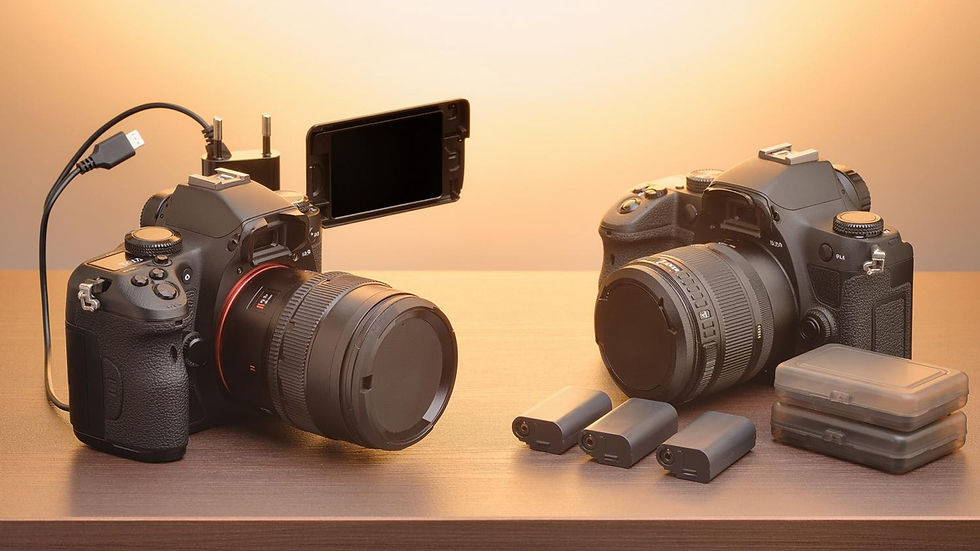
Photo note: These photographs illustrate associated camera equipment and protection, not a direct product demonstration of both alternatives. The specific products discussed have not been tested by Gear for Greatness.


Comments