camera comparison
- gear4greatness
- Aug 18, 2025
- 6 min read

Updated: Oct 30, 2025
Choosing the right camera can be overwhelming with so many options available today. Whether you are a beginner or an experienced photographer, understanding your needs and the features of different cameras is essential. This guide will help you navigate the camera market and make an informed decision that suits your photography style and budget.
camera comparison
How to Choose the Best Camera for Your Photography Needs
Before diving into camera specifications, it is important to identify what kind of photography you want to pursue. Different cameras excel in different areas such as landscape, portrait, sports, or wildlife photography. Here are some key factors to consider:
Purpose: Are you shooting portraits, landscapes, action, or video? Each genre may require different camera features.
Skill Level: Beginners might prefer user-friendly cameras with automatic modes, while professionals may want full manual control.
Budget: Cameras range from affordable point-and-shoots to high-end professional models.
Portability: Consider the size and weight if you plan to travel or shoot on the go.
Lens Compatibility: Some cameras have a wide range of lenses available, which can be important for future upgrades.
For example, if you enjoy travel photography, a lightweight mirrorless camera with good image stabilization might be ideal. On the other hand, sports photographers often need fast autofocus and high frame rates.

Key Features to Compare When Choosing a Camera
When comparing cameras, focus on these essential features to find the best fit:
Sensor Size and Resolution
Full-frame sensors offer better image quality and low-light performance but tend to be more expensive.
APS-C sensors are smaller but still provide excellent quality for most uses.
Megapixels matter for large prints or cropping but are not the only indicator of quality.
Autofocus System
A fast and accurate autofocus system is crucial, especially for action or wildlife photography. Look for cameras with multiple autofocus points and advanced tracking capabilities.
Image Stabilization
Built-in image stabilization helps reduce blur from hand shake, which is useful for handheld shooting and video.
Video Capabilities
If you plan to shoot video, check the camera’s resolution (4K, 1080p), frame rates, and microphone input options.
Battery Life
Long battery life is important for extended shoots or travel.
Connectivity
Wi-Fi, Bluetooth, and app compatibility can simplify transferring photos and remote control.
Build Quality and Weather Sealing
Durability and weather resistance are important if you shoot outdoors or in challenging conditions.
By comparing these features, you can narrow down your choices to cameras that meet your specific needs.
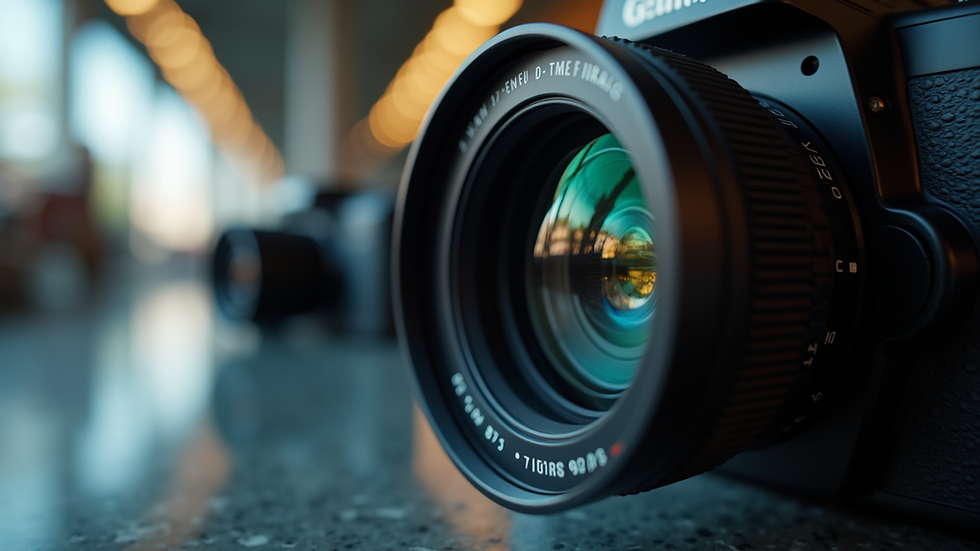
camera comparison
The Nikon Z6III and Sony A7IV are two popular full-frame mirrorless cameras that appeal to enthusiasts and professionals alike. Here’s a detailed comparison to help you decide which might be better for your photography needs.
Image Quality and Sensor
Both cameras feature 24-26 megapixel full-frame sensors delivering excellent image quality. The Sony A7IV has a slight edge in resolution with 33MP, offering more detail for cropping and large prints.
Autofocus and Performance
Sony’s autofocus system is renowned for its speed and accuracy, with 759 phase-detection points and real-time eye autofocus for humans and animals. Nikon’s Z6III also offers impressive autofocus with 273 points and good subject tracking but is generally considered a step behind Sony in this area.
Video Features
The Sony A7IV supports 4K video at up to 60fps and offers advanced video tools, making it a favorite among hybrid shooters. The Nikon Z6III also shoots 4K but maxes out at 30fps, which might be limiting for some videographers.
Build and Handling
Both cameras have robust builds with weather sealing. Nikon’s ergonomics are praised for comfort, while Sony’s compact design appeals to those prioritizing portability.
Battery Life
Nikon Z6III offers slightly better battery life, which can be important for long shoots.
Lens Ecosystem
Sony has a more extensive native lens lineup and third-party support, giving it an advantage for future upgrades.
In summary, if autofocus and video are priorities, the Sony A7IV may be the better choice. For those valuing ergonomics and battery life, the Nikon Z6III is a strong contender.

Practical Tips for Testing Cameras Before Buying
Trying out cameras in person can make a big difference in your decision. Here are some tips for testing cameras:
Visit a camera store: Handle different models to see which feels comfortable in your hands.
Test the controls: Check if the buttons and dials are intuitive and easy to reach.
Try shooting: Take some test shots in various lighting conditions to evaluate autofocus speed, image quality, and usability.
Check the viewfinder and screen: Make sure the electronic viewfinder or LCD screen is clear and responsive.
Consider accessories: Look at available lenses, flashes, and other gear that you might need.
Doing this hands-on testing will help you avoid surprises and ensure the camera fits your style.
Making the Final Decision: Balancing Features and Budget
Once you have compared features and tested cameras, it’s time to make your choice. Here are some final recommendations:
Set a realistic budget: Don’t overspend on features you won’t use.
Prioritize must-have features: Focus on what matters most for your photography.
Consider future growth: Choose a system with lenses and accessories that support your development.
Read reviews and comparisons: Trusted sources can provide valuable insights.
Look for deals and bundles: Sometimes you can get great value with kits including lenses and accessories.
For example, if you are debating between the a7 iv vs r6 ii, consider which features align better with your shooting style and budget.
By carefully balancing your needs and resources, you can find a camera that will serve you well for years to come.
Choosing the best camera is a personal journey that depends on your unique photography goals. With the right information and hands-on experience, you can confidently select a camera that inspires creativity and helps you capture stunning images. Happy shooting!
🌄 Final Thoughts
Whenever I think about choosing a new camera, it feels less like shopping and more like setting the stage for the next chapter of creativity. 🎬 Each camera tells a story — not just through the images it captures, but through the connection you build with it. For me, it’s always been about how a camera feels in my hands, how it responds when I’m chasing the perfect shot, and how effortlessly it translates what I see and feel into something lasting. 📸
What excites me about today’s camera market is the sheer diversity of choice. From compact marvels that slip into a jacket pocket to full-frame beasts designed for cinematic brilliance, there’s truly something for every creator. 🌍 I’ve learned that it’s not about chasing the most expensive specs — it’s about finding a camera that matches your rhythm. The Nikon Z6III and Sony A7IV, for example, both deliver breathtaking results, yet they speak different creative languages. The Sony feels fast and technical, while the Nikon feels grounded and tactile — a photographer’s camera through and through.
I’ve always believed that the best camera is the one that inspires you to shoot. ⚡ Whether that’s through its ergonomics, its autofocus, or simply the confidence it gives you when you lift it to your eye — that spark of creative trust is what matters most. When I find a camera that makes me want to go outside and create, I know I’ve made the right choice.
There’s also something to be said about connection — not just wireless features like Wi-Fi or Bluetooth, but the emotional connection between you and the craft. 💭 A great camera doesn’t just capture a scene; it captures your state of mind in that moment. It responds to curiosity, patience, and instinct. When the gear gets out of the way and you forget it’s even there, that’s when true creativity begins.
Every time I compare models, I remind myself not to lose sight of the why. ✨ Specs tell part of the story, but the real decision comes down to how the camera fits into your world — how it feels slung over your shoulder during a walk, how it performs when the light fades, and how it fuels your passion to create again tomorrow. The best gear doesn’t define the artist; it amplifies the vision.
In the end, cameras are like travel companions — each with its own strengths, quirks, and soul. 🌅 The right one won’t just take better pictures; it’ll make you fall in love with the process all over again. And that’s what keeps us going — the thrill of chasing light, capturing time, and turning fleeting moments into something unforgettable. ✨


sc88e.com mình thấy bạn bè nhắc hoài nên bấm vô coi thử cho biết, kiểu chỉ ngó giao diện chứ không có ngồi tìm hiểu sâu hay làm gì nhiều. Ấn tượng đầu tiên là trang nhìn khá thoáng, không bị nhồi chữ hay màu mè quá, nên lướt một vòng cũng đỡ mệt mắt. Cái mình thích là thanh menu để ngay chỗ dễ thấy, bấm qua lại mấy mục rất nhanh, không cần đoán “nút này dẫn đi đâu”. Với lại cách họ chia nội dung thành từng khối rõ ràng nên nhìn một cái là nắm được bố cục, kéo xuống vẫn không bị rối. Nói chung cảm giác như họ sắp xếp để người mới vào…
Bài viết dễ theo dõi, cảm ơn bạn đã chia sẻ và mình cũng lưu lại để tiện xem lại. Mình thì ngày nào cũng ngó thống kê XSMB, nên tự gom dữ liệu vào một trang riêng cho đỡ phải tìm nhiều nơi. Ai cũng quan tâm cập nhật theo ngày thì ghé qua https://gitee.com/Soicauxsmbpro
RR88COM hôm bữa mình thấy bạn bè nhắc nên bấm vào xem thử cho biết, kiểu tò mò giao diện ra sao thôi chứ không ngồi đọc kỹ hay làm gì nhiều. Lướt một vòng thì thấy trang bố cục khá “thoáng”, chia thành từng khối riêng nên kéo xuống không bị dính chữ vào nhau, nhìn phát là biết mình đang ở phần nào. Mình cũng để ý cái menu đặt ngay chỗ dễ thấy, chuyển qua lại mấy mục khá nhanh, không phải mò mẫm tìm nút. Nói chung cảm giác dùng kiểu nhẹ đầu, không bị rối mắt, nhất là mấy khung thông tin tách nền rõ ràng nên nhìn lướt vẫn bắt được ý, các block…
qq88 mình thấy dạo này hay được nhắc nên cũng bấm vào coi thử cho biết, chủ yếu ngó giao diện thôi. Vừa vào là thấy trang sắp xếp khá gọn, không bị nhồi chữ hay icon lung tung nên nhìn đỡ mệt mắt. Mình thích cái cảm giác lướt xuống là các phần tách ra theo từng khối rõ ràng, kiểu đang ở đoạn nào là biết ngay, không phải đoán. Menu cũng đặt chỗ dễ thấy nên chuyển qua lại nhanh, không cần bấm vòng vòng hay tìm nút ẩn. Nói chung dùng vài phút thôi mà thấy nó “thẳng thắn”, ít rối. Nhìn kỹ thì mấy thông tin trình bày theo dạng bảng cột khá ngay ngắn,…
Trước đây mình loay hoay mãi mới chọn được addon Minecraft PE với resource pack hợp máy rồi mới dám cài, vì sợ nặng quá lại giật. Sau đó mình thử vài shader nhẹ cho máy yếu, tự nhiên cảnh vật nhìn khác hẳn, nhất là lúc thêm mấy map mới vào để đi khám phá cho đỡ chán. Trong các nhóm chơi chung, mọi người hay bàn về mấy addon kiểu furniture hoặc alien invasion, rồi chấm sao để mình dễ biết cái nào đáng thử trước. Mình cũng rút kinh nghiệm là đừng nghe truyền miệng rồi tải bừa, tốt hơn là tìm nguồn có cập nhật đều để tránh lỗi hoặc không tương thích. Khi cần chỗ…