Mini Softbox vs Bare LED Panel for Tabletop Product Videos

Affiliate disclosure
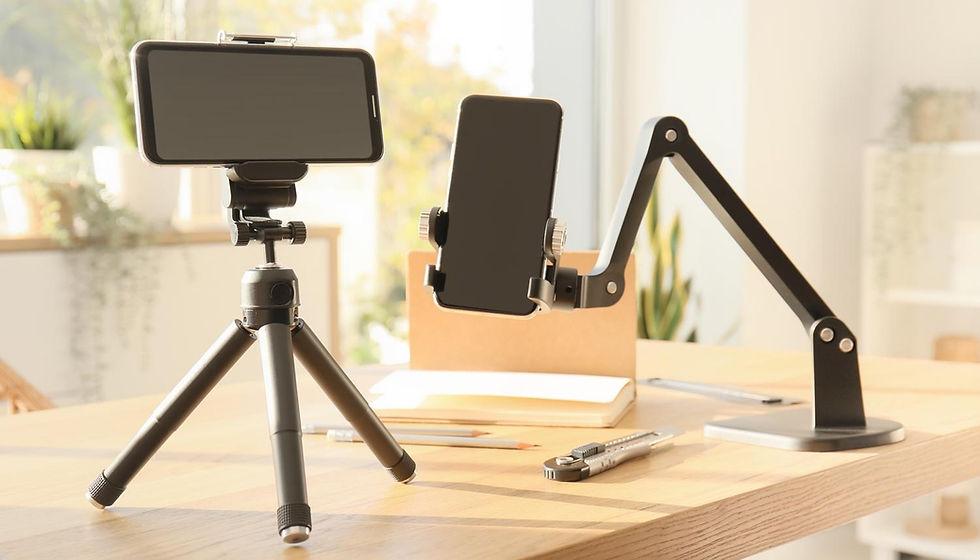
Gear for Greatness may earn an affiliate commission from qualifying purchases. This is a practical equipment comparison, not a claim that we have tested the devices pictured or specific retail models.
The practical recommendation
A small softbox helps spread light more gently across reflective product packaging and gives an easy starting point for consistent unboxing shots. A bare LED panel fits into tighter spaces and works well as a controlled accent or fill, but the source is often small enough to create visible hard-edged shadows. Neither option is automatically better: the distance, light size and product surface determine much of the finished look.
Why diffusion works
Softness depends on how large the illuminated surface appears from the subject's position. A close, larger diffused face wraps light around a small object and broadens specular reflections; move that same modifier far away and the shadows can harden. A tiny softbox is still a tiny source when asked to light a wide folding table from across the room. Test a white sheet of diffusion material held safely between a bright light and object to see the effect before buying.
Reasons to keep a bare panel
Directional hard light can reveal surface texture on canvas, leather and brushed metal. A compact panel is easier to aim beneath shelves or behind a product to separate it from the backdrop. On shiny plastic it can create a distracting rectangular hotspot, and on faces it may exaggerate texture. A white reflector opposite the panel often gives enough fill without buying two matching lights.
Colour and flicker are separate issues
Affordable LEDs can vary in colour rendition and how they regulate brightness. An attractive lamp in person can cause video banding at certain shutter speeds or frame rates, especially when dimmed. Before purchasing, look for measured colour performance and information about flicker control rather than relying only on an advertised LED count. When checking colour accuracy of items for sale, keep the key light neutral and establish a consistent camera white balance.
Practical overhead positioning
Put the camera directly above the object only after the arm or tripod has been secured. Position your light outside the visible table boundaries and check whether it throws a shadow from the camera support. A mini softbox and stand may take more room than its listing photograph suggests. Protect dangling power cables from box flaps and hands. On a lightweight folding table, desk clamps and overextended arms may transmit vibration or create tipping risk.
Who should buy or skip
Buy a compact diffused light setup if the biggest recurring issue is sharp glare on boxes, screens or metal products. Skip an undersized softbox if the intended subject is much larger than the modifier. Choose a bare panel if you film in cramped areas, need a simple travel fill or enjoy deliberate dramatic hard light. Skip relying on one bare pocket panel to light a whole wide desk when you require even illumination.
Final verdict
For a home unboxing station, I'd begin with one controllable diffused key light and an inexpensive white bounce card. Use the bare panel later as fill or background accent. A carefully positioned light of modest cost can make cleaner footage than an expensive collection of lamps placed without attention to reflections and shadow direction.
What to check before ordering
Verify the exact stand and modifier compatibility, power supply, physical size, colour-control specifications and return policy in the listing. No two small LED products necessarily behave the same way, even if the advertised brightness is similar.
Related reading
https://www.gear4greatness.com/post/softbox-vs-photography-umbrella-for-product-photos
Shop USA and Canada
Each affiliate button opens an Amazon search for a named type of lighting equipment, not a verified individual product listing. Confirm model, included accessories, price and seller yourself.


Comments