Waterproof Pack Liner vs Roll-Top Dry Bag for Camera Gear

Affiliate disclosure: Gear for Greatness may earn a commission from qualifying purchases through links on this page, at no extra cost to you. This research-based guide does not claim hands-on testing of every item.
The outer pack isn't the whole system
Backpacks advertised as water-resistant can still admit moisture through seams, openings or the back panel. An internal liner or dry bag adds another barrier around sensitive contents, but the quality of the closure and material determines how much protection is provided.
Large liners organize the pack differently
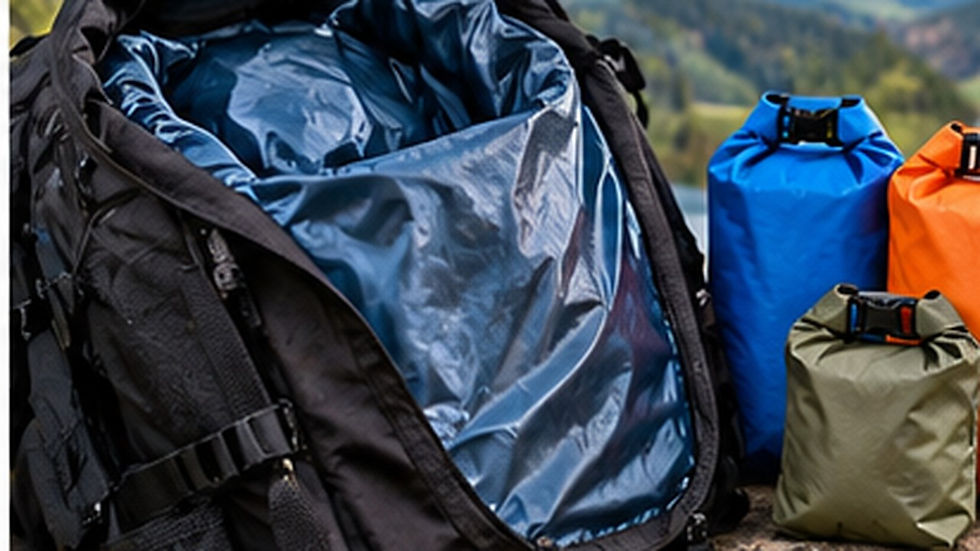
A single liner can protect much of a backpack's contents while keeping packing simple. Opening it repeatedly exposes a larger area, and small objects can be difficult to locate. Check that the liner's top can close properly even when the pack is full.
Dry bags isolate equipment
A roll-top dry bag can separate a camera pouch or clean clothing from wet items. Follow the manufacturer's instructions for the minimum number of folds and secure buckles. Not all dry bags are rated for full immersion, so avoid assuming waterproof means submersible.
Access versus security
A filming kit that needs frequent retrieval may be frustrating when sealed inside several layers. Consider a smaller waterproof pouch for batteries or cards while keeping the main camera accessible under a rain sleeve during light weather.
Moisture after the trip
Opening a dry bag in humid air or sealing damp gear can trap moisture inside. Dry electronics and textiles appropriately before long-term storage. Look for abrasion, worn folds and damaged seams rather than treating protective bags as permanent.
Choose the layers you need
A liner is efficient when most contents should remain dry. Individual dry bags help organize separately sensitive items. For high-value camera equipment near water, use protection rated for the actual exposure and avoid taking unnecessary immersion risks.
Inspect closure wear over time
Repeated rolling can stress the top edge of a dry bag, while folding a liner around sharp equipment may create pinholes. Check for abrasion and test the closure before a trip. Keep small moisture-sensitive accessories in a separate inner bag so you do not expose them each time you retrieve the camera. A bag advertised for rain protection is not automatically suitable for kayaking or accidental immersion; match the rating to the exposure.
Compare current options
Check current compatibility, exact specifications and seller details before ordering.


Comments