
Camera Organizer Pouch vs Padded Dividers for a Travel Kit

The organizational problem
A camera bag can become a pile of cables, chargers and filters. A tech pouch is designed to separate small accessories, while a padded camera insert protects a camera and lens inside an ordinary backpack. These products serve different purposes even if their capacities seem similar.

What a tech pouch does
A structured pouch makes it easier to find USB cables, spare batteries and adapters while setting up an unboxing studio or traveling. Its numerous pockets are useful for small gear, but do not provide the same shaped shock protection as a padded camera compartment. Heavy chargers can make a pouch bulky for its volume.
What a camera insert does
A padded insert divides a conventional bag into protective spaces for a camera body, lens and sometimes microphone or compact light. Tenba BYOB-style inserts are intended to fit inside a larger tote or backpack. The key buying measurement is the usable internal dimension, not just its model number.
A simple walking-camera kit
For a small gimbal camera, phone and one microphone, a tech pouch may organize the little accessories while the devices remain in their own cases. For a mirrorless camera with an attached zoom lens, a padded insert is generally more appropriate. Mixing fragile lenses with hard metal chargers in one unprotected compartment is unwise.
Who should buy
Choose a tech pouch if the main problem is tangled cables and missing adapters. Choose a padded insert if you have a camera body and lens that need structured protection inside an existing bag. Buying both can make sense for a larger kit but is unnecessary for a minimal setup.
Winter travel concerns
Allow cold equipment to warm gradually after coming indoors, keep moisture away from batteries and lens contacts, and avoid storing damp straps in a tightly closed bag. Check zipper access with gloves and the combined weight of the kit before a long walk.
Bottom line
Prioritize protecting the expensive camera first, then organize the small accessories around it. Measure the bag you own and check how frequently you reach for each item. A modest pouch or insert should make filming easier, not encourage carrying unused gear.
Affiliate disclosure and research limits
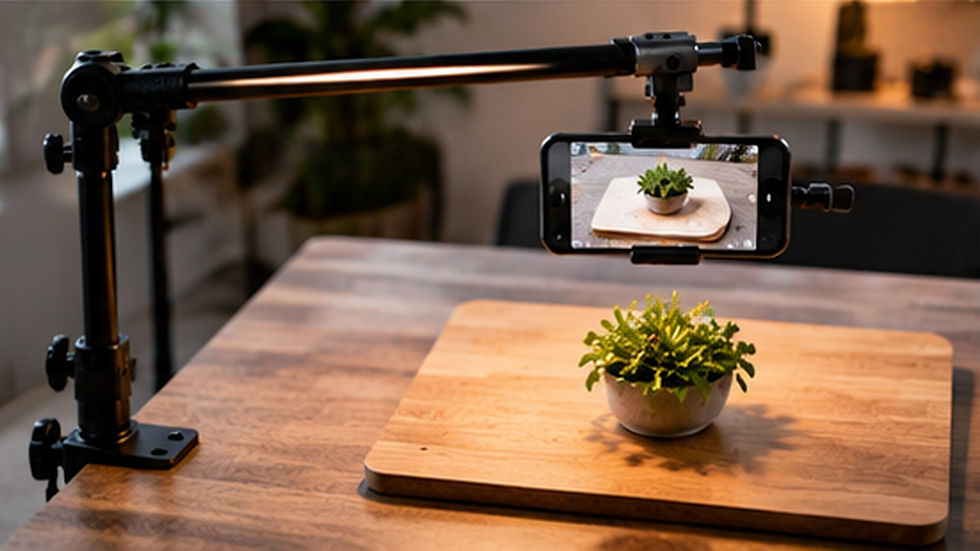
This guide explains the equipment choices and relevant manufacturer-stated product categories; it does not claim first-hand testing or verified current stock. Its unique 16:9 image is AI-generated editorial imagery, not a product photograph. As an Amazon Associate, Gear for Greatness may earn from qualifying purchases. The separate country buttons below are clearly labelled Amazon searches; confirm the exact model, accessories, listing and price before buying.


Comments